
How to maintain a car is one of the most important things every vehicle owner should know. Whether you drive a brand-new sedan or a decade-old SUV, regular maintenance is the key to keeping your car running smoothly, avoiding costly repairs, and staying safe on the road. In this comprehensive guide, you will find everything you need — from engine care and tire checks to fluid management and seasonal preparation — to help you get the most out of your vehicle for years to come.
Why Regular Car Maintenance Matters
Most drivers only think about their car when something goes wrong. That reactive approach often leads to expensive breakdowns, premature part failures, and safety hazards that could have been easily avoided. A well-maintained vehicle not only performs better but also retains a higher resale value, delivers better fuel economy, and reduces the risk of accidents caused by mechanical failure.
According to automotive experts, the majority of roadside breakdowns are preventable with routine inspections and timely servicing. Understanding how to maintain a car properly puts you in control of your vehicle's health and your own safety behind the wheel.
Follow the Manufacturer's Maintenance Schedule
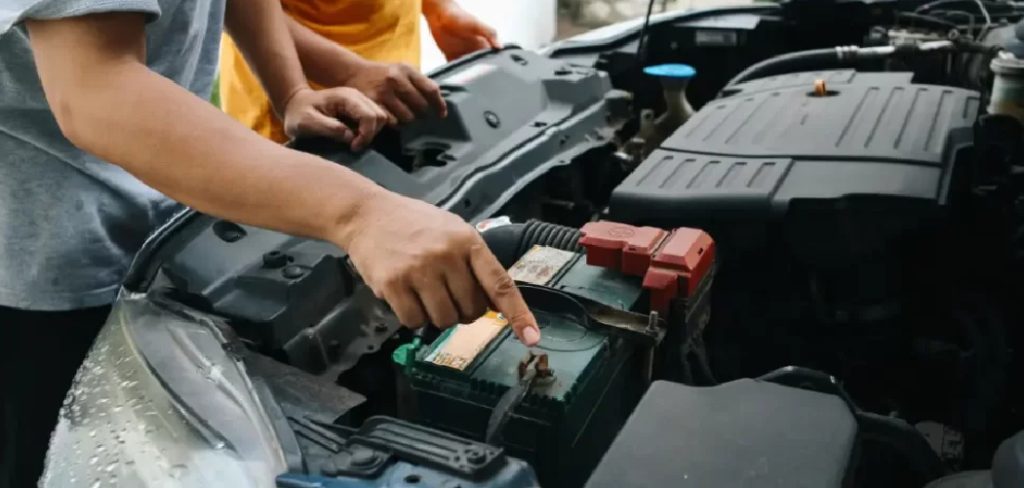
The single most reliable guide for car care is your owner's manual. Every manufacturer provides a maintenance schedule tailored specifically to your vehicle's engine, transmission, and components. This schedule outlines when to change the oil, replace filters, rotate tires, inspect brakes, and more.
Many car owners ignore this booklet, but it is essentially a roadmap to a long vehicle life. Pay close attention to mileage-based and time-based service intervals. Some services are recommended every 3,000–5,000 miles, while others may be needed annually or every 30,000 miles. Skipping these intervals — even once — can trigger a chain reaction of wear and damage in interconnected systems.
Change the Engine Oil and Filter Regularly
Engine oil is the lifeblood of your car. It lubricates moving parts, reduces friction, carries heat away from the engine, and keeps internal components clean. Over time, oil breaks down and becomes contaminated with dirt, metal particles, and combustion byproducts, losing its ability to protect the engine effectively.
Recommended intervals:
- Conventional oil: Every 3,000–5,000 miles
- Synthetic oil: Every 7,500–10,000 miles (or as specified in your manual)
Always replace the oil filter at the same time as the oil change. A clogged filter forces dirty oil through a bypass valve, which defeats the purpose of a fresh oil change entirely. Using the correct oil viscosity grade for your climate and engine type is equally important.
Monitor and Maintain All Fluid Levels
Your car relies on a range of fluids to operate safely and efficiently. Neglecting any one of them can cause serious damage. Here is a quick overview of the key fluids to check:
- Coolant (Antifreeze): Prevents the engine from overheating in summer and freezing in winter. Check the reservoir level monthly and flush the cooling system every 2–5 years.
- Brake Fluid: Essential for hydraulic braking. Low or contaminated brake fluid dramatically reduces stopping power. Replace every 2 years or as recommended.
- Power Steering Fluid: Keeps steering smooth and responsive. Check monthly and top off as needed.
- Transmission Fluid: Lubricates gears and the transmission system. Change every 30,000–60,000 miles depending on the type (automatic vs. manual).
- Windshield Washer Fluid: Not mechanical, but critical for visibility. Never substitute water in freezing climates.
Developing a habit of checking fluids once a month takes only a few minutes but can prevent thousands of dollars in repairs.
Inspect and Rotate Your Tires
Tires are your car's only contact with the road. Their condition directly affects braking distance, handling, fuel efficiency, and safety. Knowing how to maintain a car's tires is fundamental to road safety.
Key tire maintenance tasks:
- Check tire pressure monthly: Under-inflated tires wear unevenly, reduce fuel economy, and can blow out at high speed. Use a quality pressure gauge and inflate to the PSI listed on the door jamb sticker — not the number on the tire sidewall.
- Rotate tires every 5,000–7,500 miles: This promotes even tread wear and extends the life of all four tires.
- Check tread depth: Use the penny test — insert a penny with Lincoln's head pointing down into a tread groove. If you can see the top of Lincoln's head, it is time for new tires.
- Inspect for damage: Look for cuts, bulges, or embedded objects that could cause a blowout.
Balance and align regularly: Misaligned or imbalanced wheels cause uneven wear and vibration. Have alignment checked annually or after hitting a significant pothole.
Maintain Your Braking System
Your brakes are your most critical safety system. Brake pads, rotors, calipers, and brake lines all require periodic inspection and servicing. Warning signs of brake problems include:
- Squealing or grinding noises when braking
- A soft or spongy brake pedal
- Pulling to one side when braking
- Vibration or pulsing through the pedal
- Longer stopping distances than usual
Brake pads typically last 25,000–70,000 miles depending on driving habits and pad material. Hard city driving wears them down much faster than highway driving. Have your brakes inspected at least once a year or whenever you notice unusual symptoms. Never delay brake repairs — this is a matter of life and safety.
Replace Filters on Schedule
Air Filter: The engine air filter prevents dust and debris from entering the engine. A clogged air filter reduces airflow, hurts fuel economy, and forces the engine to work harder. Replace every 15,000–30,000 miles or more frequently if you drive in dusty environments.
Cabin Air Filter: This filter cleans the air inside your vehicle, removing pollen, dust, and pollutants. A dirty cabin filter reduces HVAC efficiency and air quality for occupants. Replace every 15,000–25,000 miles or once a year.
Fuel Filter: Keeps contaminants out of the fuel system and injectors. Replacement intervals vary widely (20,000–40,000 miles) depending on the vehicle — consult your owner's manual.
Maintain Your Braking System
Your brakes are your most critical safety system. Brake pads, rotors, calipers, and brake lines all require periodic inspection and servicing. Warning signs of brake problems include:
- Squealing or grinding noises when braking
- A soft or spongy brake pedal
- Pulling to one side when braking
- Vibration or pulsing through the pedal
- Longer stopping distances than usual
Brake pads typically last 25,000–70,000 miles depending on driving habits and pad material. Hard city driving wears them down much faster than highway driving. Have your brakes inspected at least once a year or whenever you notice unusual symptoms. Never delay brake repairs — this is a matter of life and safety.
Replace Filters on Schedule
Air Filter: The engine air filter prevents dust and debris from entering the engine. A clogged air filter reduces airflow, hurts fuel economy, and forces the engine to work harder. Replace every 15,000–30,000 miles or more frequently if you drive in dusty environments.
Cabin Air Filter: This filter cleans the air inside your vehicle, removing pollen, dust, and pollutants. A dirty cabin filter reduces HVAC efficiency and air quality for occupants. Replace every 15,000–25,000 miles or once a year.
Fuel Filter: Keeps contaminants out of the fuel system and injectors. Replacement intervals vary widely (20,000–40,000 miles) depending on the vehicle — consult your owner's manual.
Keep the Battery in Top Condition
A dead battery is one of the most common causes of roadside breakdowns. Car batteries typically last 3–5 years, though extreme temperatures can shorten that lifespan significantly.
Battery maintenance tips:
- Inspect terminals for corrosion (a white or blue powdery buildup) and clean them with a mixture of baking soda and water.
- Ensure the battery is securely mounted to avoid vibration damage.
- Have the battery tested at every oil change or annually.
- If your car struggles to start, lights dim when idling, or electrical accessories behave erratically, have the battery and alternator tested immediately.
- Avoid leaving lights or electronics on when the engine is off, as this drains battery charge rapidly.
Check Belts and Hoses
Rubber belts and hoses deteriorate over time due to heat, pressure, and engine chemicals. A snapped timing belt or burst radiator hose can cause catastrophic engine damage and strand you on the highway.
- Timing Belt/Chain: One of the most critical components. A timing belt typically needs replacement every 60,000–100,000 miles. Failure to replace it on time can result in severe engine damage.
- Serpentine Belt: Drives the alternator, power steering pump, and AC compressor. Inspect for cracks, fraying, or glazing and replace every 60,000–100,000 miles.
Radiator and Coolant Hoses: Check for softness, cracks, bulging, or leaks. Replace every 4 years or at the first sign of deterioration.
Don't Ignore Dashboard Warning Lights
Modern vehicles are equipped with sophisticated onboard diagnostic systems that monitor hundreds of parameters. When something goes wrong, the system triggers a warning light on your dashboard. Never ignore these signals, even if the car seems to be running fine.
Common warning lights and what they mean:
- Check Engine Light: Could indicate anything from a loose gas cap to a failing catalytic converter. Have it scanned with an OBD-II reader immediately.
- Oil Pressure Warning: Stop the car safely as soon as possible and check oil levels. Driving with low oil pressure can destroy an engine within minutes.
- Temperature Warning: Engine is overheating. Pull over, turn off the engine, and allow it to cool before investigating.
- Battery Light: Indicates a charging system problem — the alternator or battery may be failing.
- Brake Warning Light: Low brake fluid or a fault in the braking system. Do not delay inspection.
Seasonal Car Care and Safety Tips
Different seasons bring different challenges for your vehicle. Part of knowing how to maintain a car effectively is adjusting your care routine to match the weather.
Winter preparation:
- Switch to winter tires or ensure all-season tires have adequate tread
- Check antifreeze concentration (50/50 coolant-to-water ratio is standard)
- Inspect the battery — cold weather reduces battery capacity significantly
- Keep the fuel tank at least half full to prevent fuel line freeze
- Check wiper blades and replace with winter-grade blades if needed
Summer preparation:
- Test the air conditioning system before the hot months arrive
- Check coolant levels and the condition of the cooling system
- Inspect tire pressure more frequently — heat increases air pressure
- Check that all lights and signals work correctly for long road trips
Year-round habits:
- Keep an emergency kit in your vehicle (jumper cables, flashlight, first aid kit, tire inflator)
- Wash the car regularly to prevent rust, especially in areas that use road salt
- Park in the shade when possible to protect paint and reduce interior heat buildup
Choose a Trusted Mechanic
Even if you handle basic maintenance yourself, having a trusted professional mechanic is invaluable. A good mechanic can catch developing problems early during routine inspections — problems you might miss without specialized tools and training.
Look for a mechanic who is ASE-certified (Automotive Service Excellence), transparent about pricing, and willing to explain repairs in plain language. Establishing a long-term relationship with a reliable shop builds trust and ensures consistent, quality care for your vehicle.
Final Thoughts
Understanding how to maintain a car for long-lasting performance is not complicated — it simply requires consistency, attention to detail, and respect for your vehicle's service schedule. Regular oil changes, tire care, fluid checks, brake inspections, and seasonal preparation form the foundation of a maintenance routine that will keep your car reliable, safe, and performing at its best for hundreds of thousands of miles.
The cost of preventive maintenance is always a fraction of the cost of major repairs or, worse, the consequences of a road accident caused by mechanical failure. Start today, follow your manufacturer's guidelines, and make car maintenance a regular habit — your wallet, your passengers, and your future self will thank you for it.